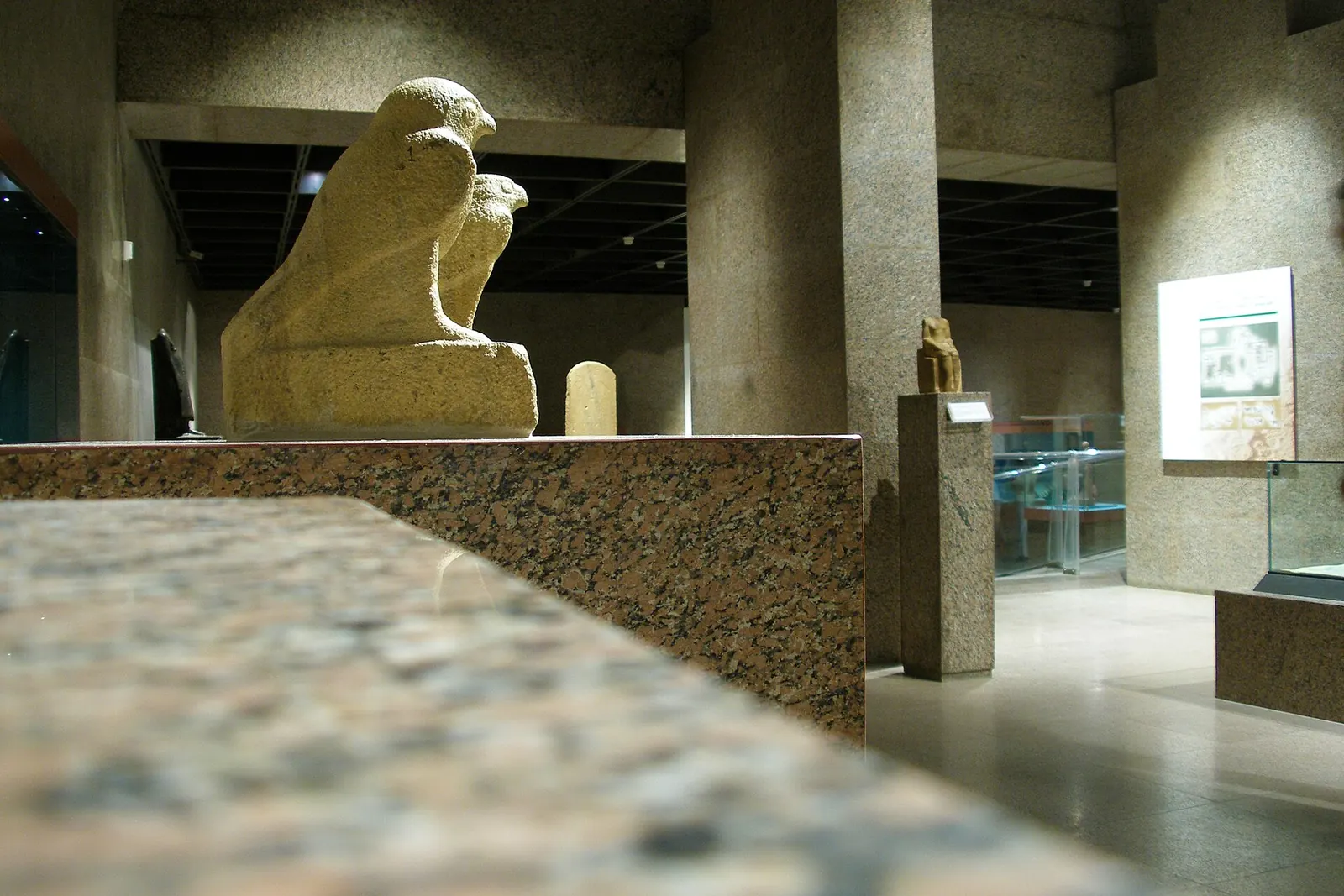
An hour is not a miniature complete visit. It is enough time to build one coherent encounter and leave without confusing coverage with understanding.
Orient before collecting.
Find the exit, toilets, seating and one main landmark. Read the room-level introduction, not every label. Choose one question: material, writing, reuse, animal representation or another visible thread.
Stay with one object.
Describe before reading. Map surface, scale, damage, joins and display. Read the label, then look again and identify one changed interpretation.
If standing is difficult, choose an object visible from seating or use permitted photography and magnification. The phase is about attention, not posture.
Compare, do not add.
Choose one neighbouring object that tests the first: same material, different period; same function, different form; same date, different context. Note one meaningful difference.
Pause without input.
Sit where possible. Do not open the camera roll. Reconstruct the first object and comparison from memory. If retrieval fails, return briefly rather than adding another room.
Create an ending.
Record the inventory number, one observation, one contextual fact and one unresolved question. Move toward the exit with enough margin for orientation.
- Object: what did you actually see?
- Relationship: what did comparison change?
- Question: what source comes next?
- Return: what would deserve another hour?
The bands are flexible. Pain, crowds, sensory load or access needs may shorten them; removing a phase is better than rushing all five.
Research note
This is an editorial attention structure informed by close looking and retrieval practice, not a scientifically optimal universal schedule.