Excavation removes deposits irreversibly. Notes, drawings, photographs, coordinates and context records become the only route back to their sequence.
Ground accumulates events.
A floor is laid, used and resurfaced. A pit cuts earlier deposits and is later filled. A wall collapses; windblown sediment covers it; another structure crosses the remains. These relationships create relative chronology even before calendar dates are assigned.
Objects can be residual—older material redeposited in a later layer—or intrusive, entering an earlier deposit through disturbance. Association is evidence, not automatic contemporaneity.
Removal runs backward through sequence.
Excavators usually encounter later deposits before earlier ones. Recording assigns context numbers and documents boundaries, composition, finds and relationships. A stratigraphic matrix can express which events are earlier or later without pretending every event has a precise calendar date.
Relative and absolute time meet.
Typology, inscriptions, coins, radiocarbon samples and historically dated events can anchor parts of a sequence. A terminus post quem establishes that a context is later than the newest securely dated material it contains; it does not provide an exact deposition year.
Dates become stronger when multiple independent lines agree and weaker when they depend on displaced finds.
The accession number should lead back.
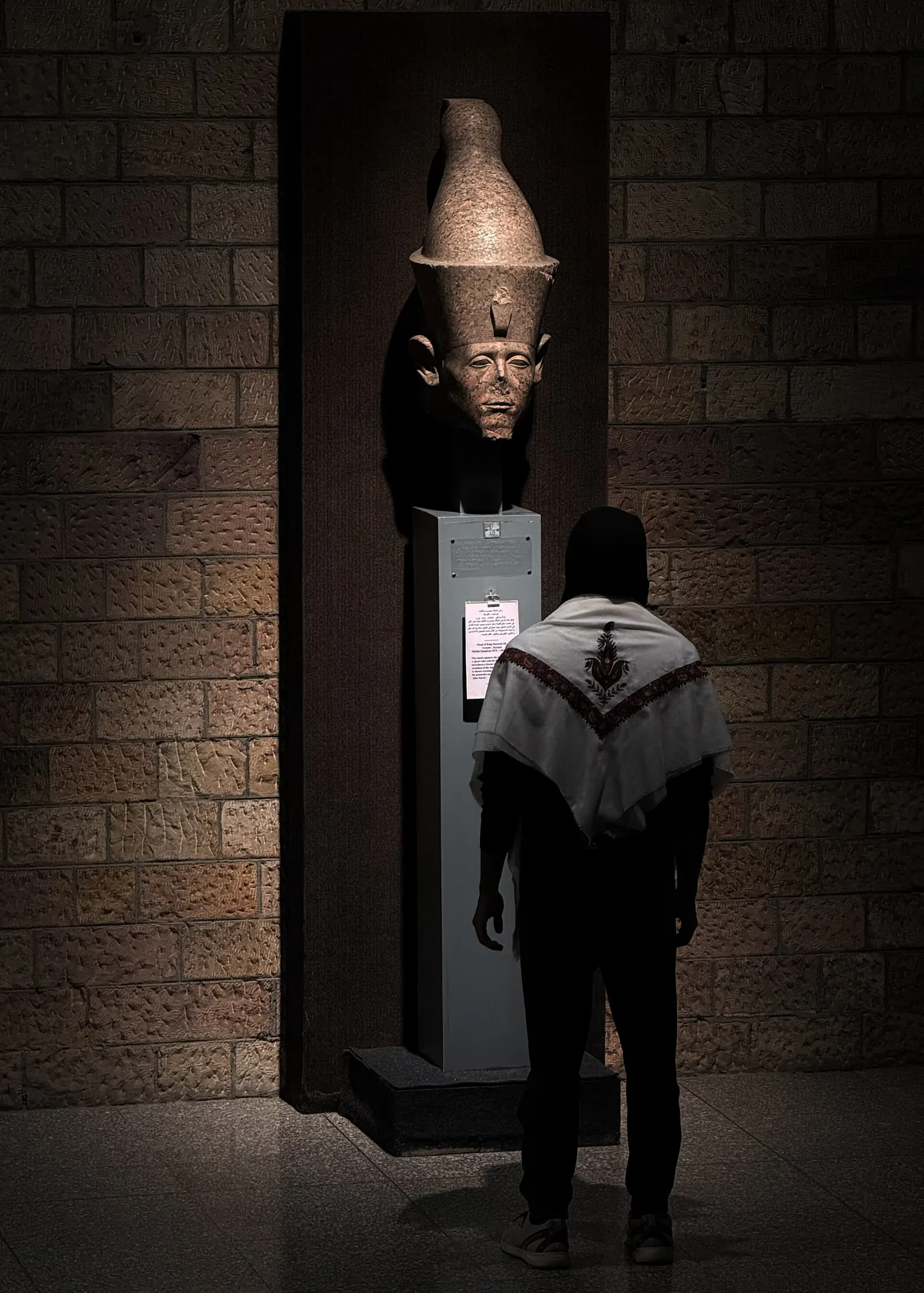
Once objects leave the trench, field number, context record and museum inventory must remain connected. Museum display often isolates the object physically; a responsible catalogue preserves its archaeological relationships.
- Findspot: location of recovery.
- Context: recorded deposit or feature.
- Association: relationship to other finds and events.
- Provenance: documented origin and ownership history.
Research note
The essay follows stratigraphic excavation and archaeological documentation principles. Context quality depends on recording, later disturbance and preservation.