Every material is changing. Conservation works with rates, thresholds and consequences rather than promising permanence.
Condition is a dated observation.
Cracks, corrosion, fading, deformation and biological activity are recorded through description, measurement and photography. Repeated records show whether change is active or stable.
An object can look damaged but be structurally stable, or appear intact while salts, corrosion or weak fibres progress invisibly.
Change is often managed around the object.
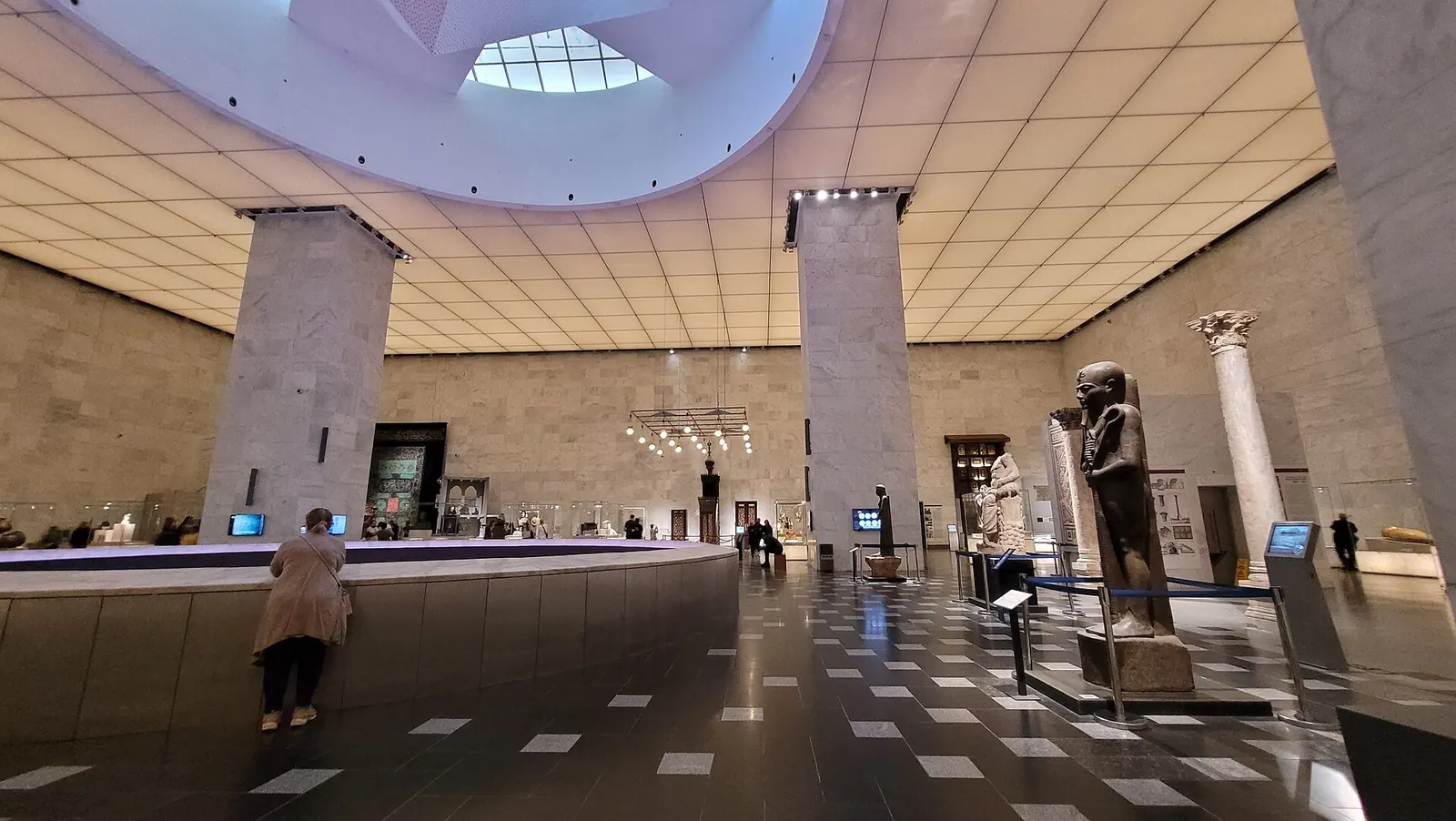
Light exposure, relative humidity, temperature, pollutants, pests, handling, vibration and disaster risk are controlled at room, case and procedure level. Preventive conservation can protect many objects without direct treatment.
Intervention adds another layer.
Cleaning, consolidation, joining, fills and supports alter the present object to improve stability or legibility. Modern ethics favour documentation, minimum necessary intervention and materials that can be retreated where possible; perfect reversibility is rarely absolute.
Treatment does not erase earlier repair automatically. An ancient mend may be essential historical evidence.
Care is provisional.
Materials age, environments change and methods improve. Conservation records allow future specialists to identify what was added, why and with which products.
- Observe: establish dated condition.
- Assess: identify active risks.
- Act: prevent or stabilize.
- Document: preserve the intervention history.
- Monitor: test whether the decision worked.
Research note
The essay follows preventive and interventive conservation principles. Treatment decisions depend on material, significance, condition, use and institutional resources.